

Zhejiang Petrochemical Zhoushan Project
Published Time:
2020-11-09
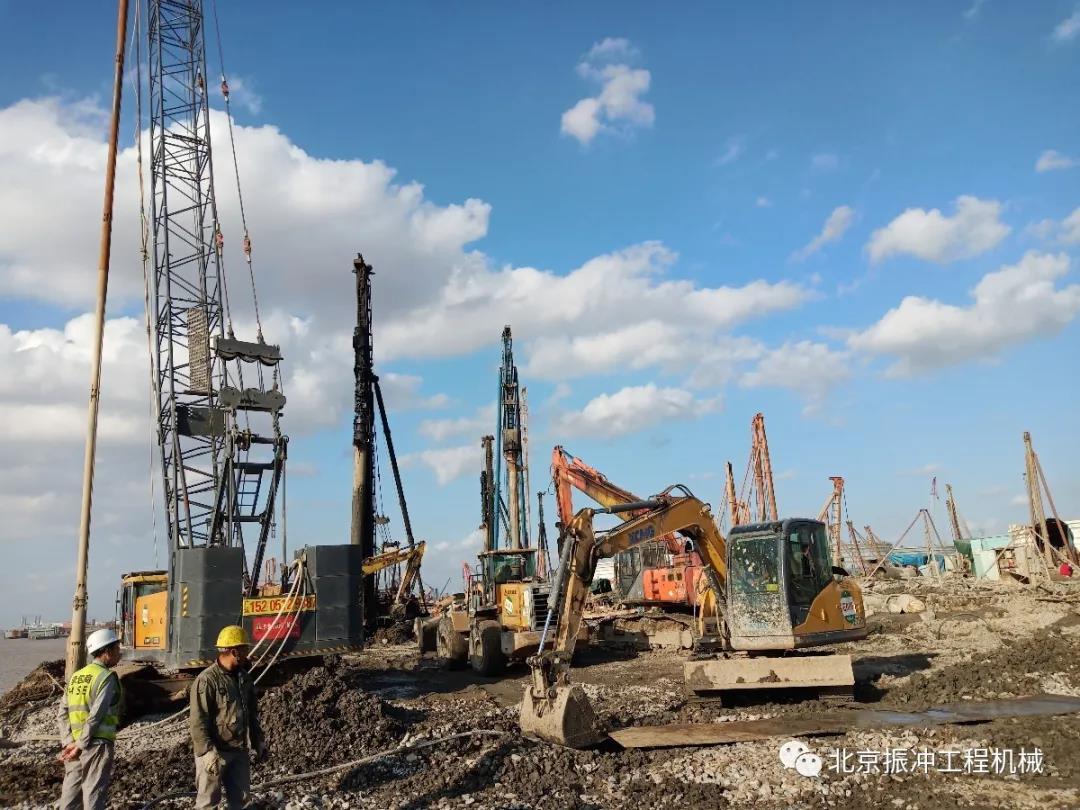
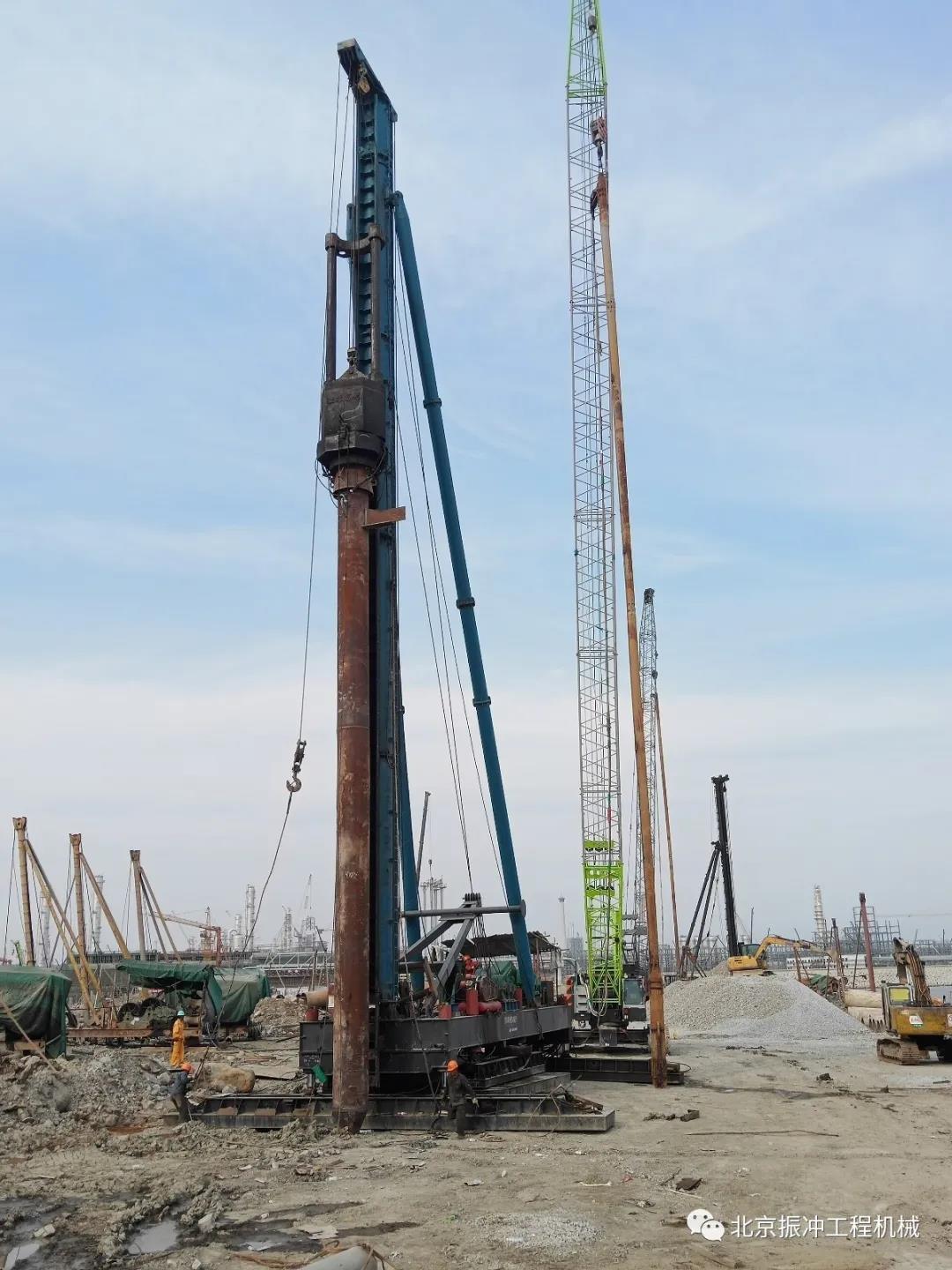
The East No. 2 revetment of the Zhejiang Petrochemical Zhoushan Project is approximately 880m long. Partial backfilling has already been completed at the proposed revetment location, mainly with quarried stones. According to current borehole investigations, the compacted fill layer is loose, primarily consisting of crushed and block stones from the quarry area. The crushed stone content accounts for over 80%, with particle sizes generally ranging from 60 to 150mm, and a maximum size of 400mm or more. The thickest part of this layer is approximately 20m; the silty clayey silt is in a flow plastic state, highly compressible, with a maximum thickness of approximately 25m. Vibro-stone columns will be used for ground treatment of these two soil layers during revetment construction.
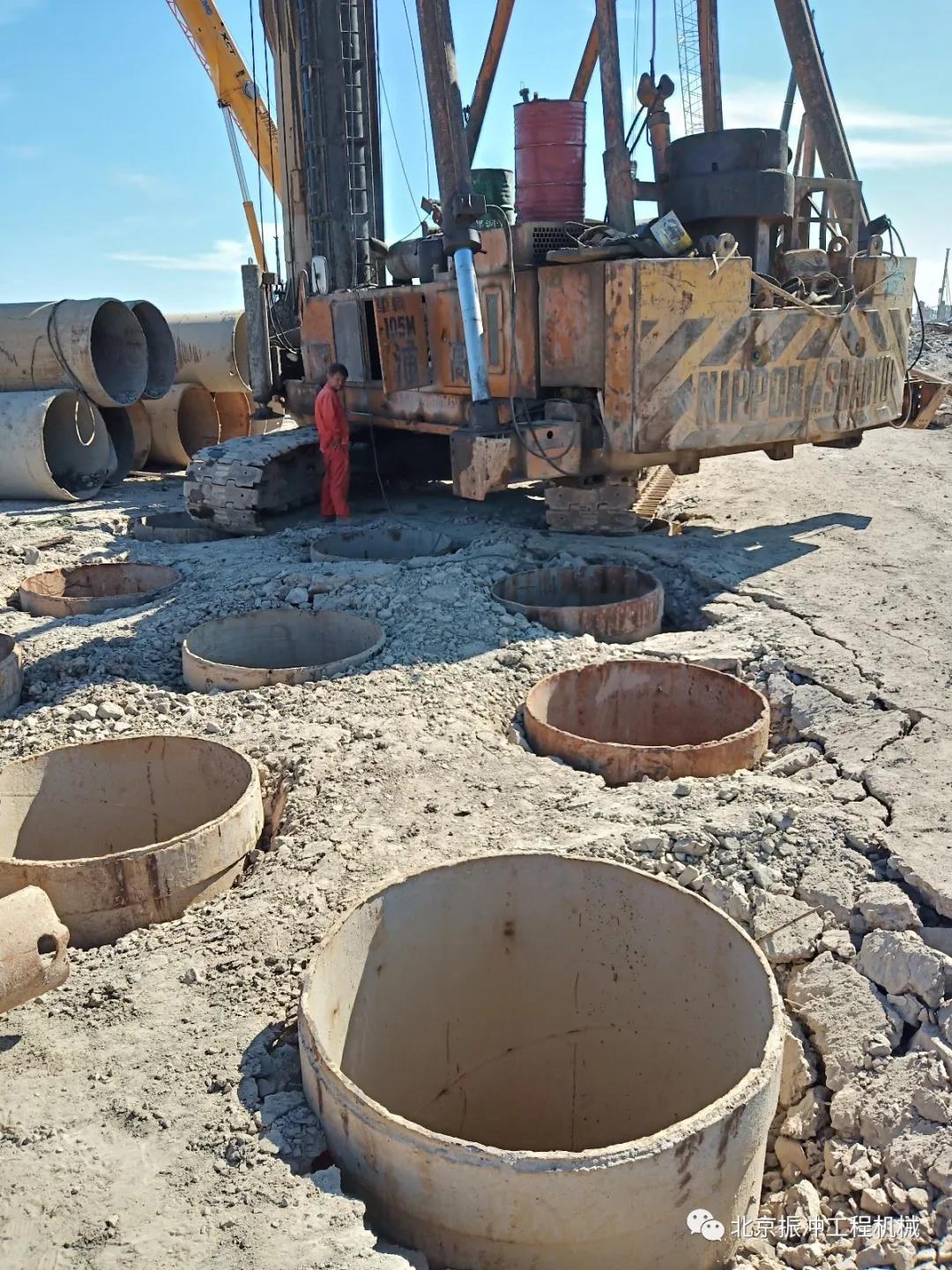
All areas for vibro-stone column construction have been backfilled to create land-based construction areas. According to the preliminary exploration report, the fill material consists mainly of crushed tuff from the quarry area, with very high rock strength. The fill material varies in size; currently, the maximum visible surface particle size in the construction area is 1.0m, and the maximum thickness of the quarried stone fill is 26m. Due to the presence of large quarried stones, pilot hole drilling is required before vibro-stone column construction. A dry pneumatic drilling rig is planned to drill pilot holes in areas where the vibro-equipment cannot penetrate the quarried stone.
After crushing and breaking through the quarried stone fill, construction of the vibro-stone columns will proceed, allowing the vibro-stone columns to pass smoothly through the tuff fill layer and into the silty clayey silt layer as designed, achieving fill compaction and ensuring the construction quality and progress of the vibro-stone columns. The pilot hole diameter is 600-650mm, and the pilot hole depth extends to the bottom of the first backfill layer.
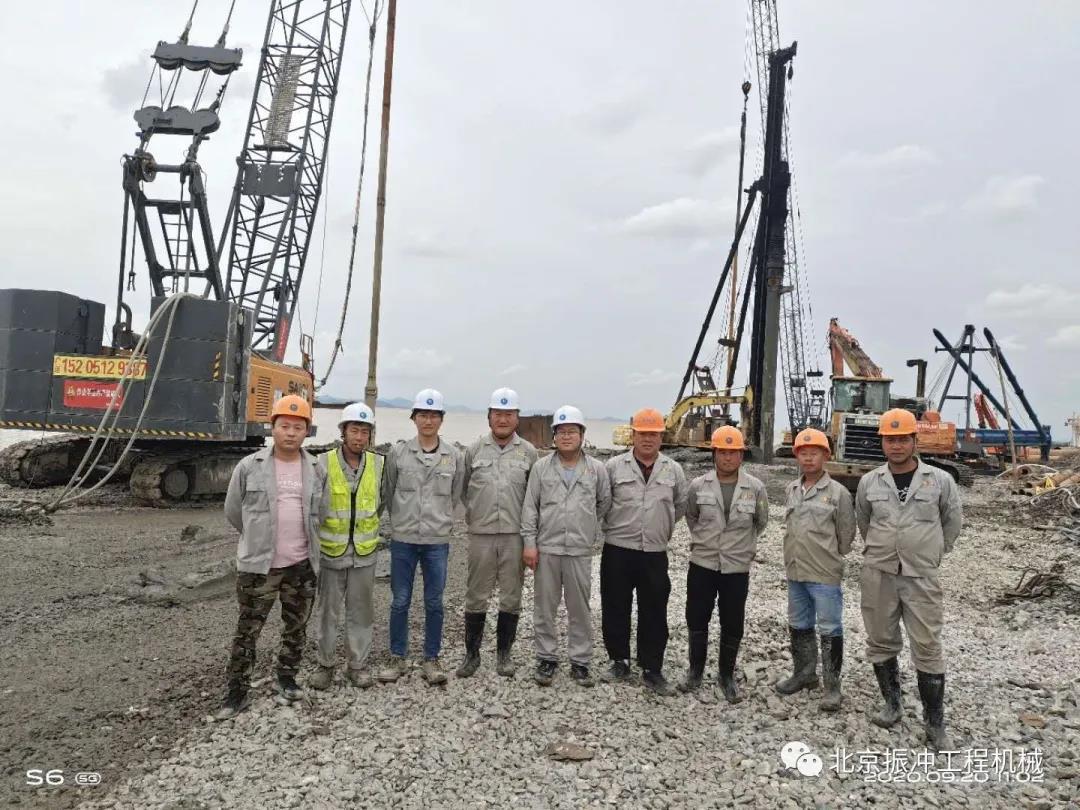
The project's challenges include limited site space and equipment cross-operation, making site coordination a major difficulty. The increasing depth of the backfill layer also presents high process requirements. Our team developed a highly efficient construction plan based on site conditions. The project officially commenced on August 1, 2020, and through three months of around-the-clock work, will be completed by the end of October.
Related News
Follow us

Tel:+86-18201288462
Email:lsn@bjvibro.com
Address: Songzhuang Cultural Park, Beijing sub-center - Xiaobao Art District